Introduction
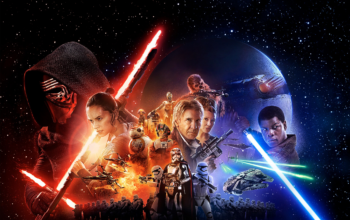
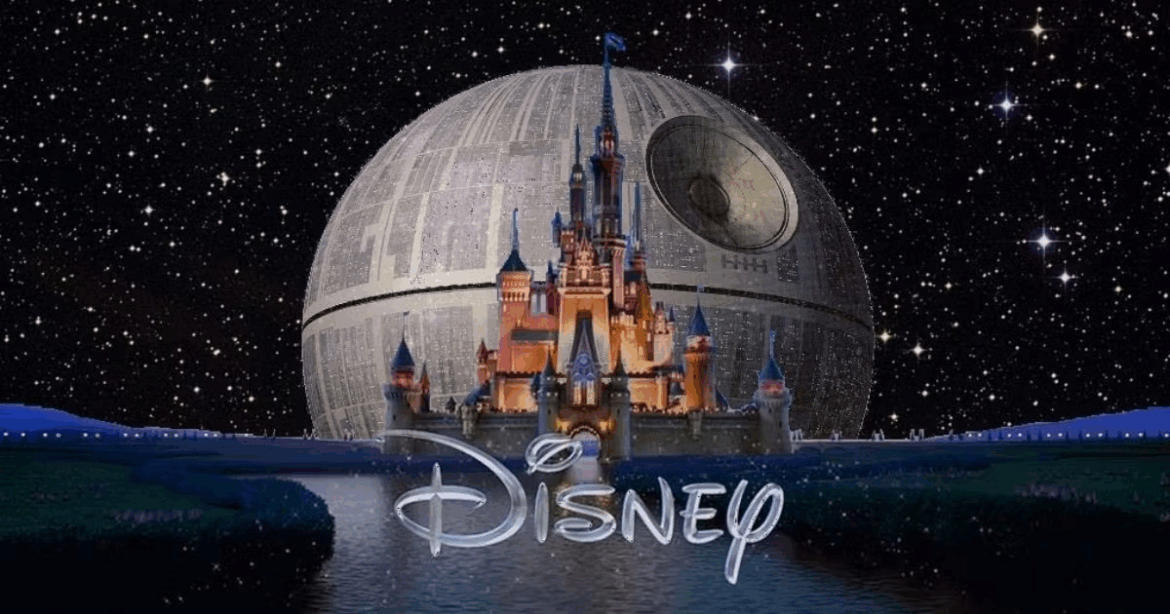
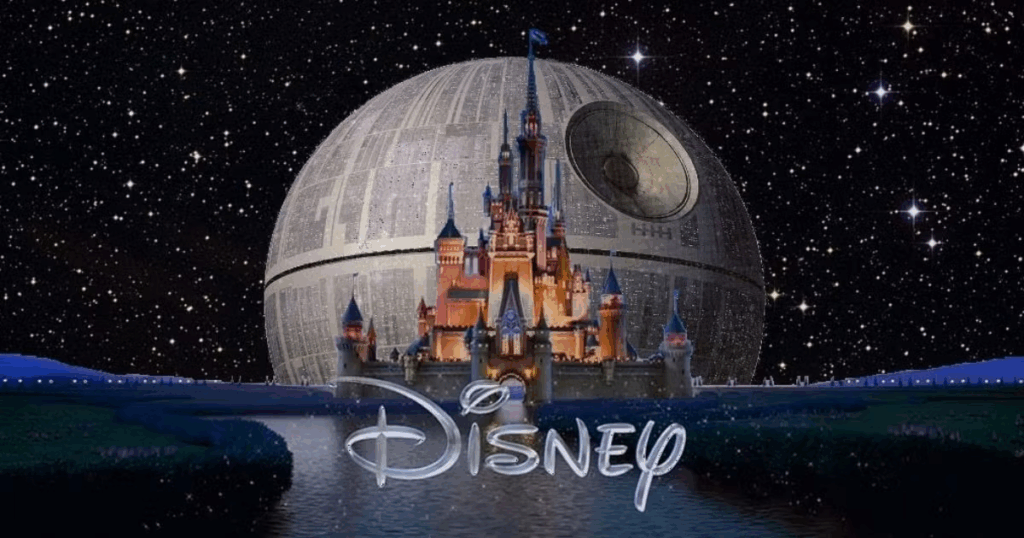
It’s been 13 years since Disney purchased Lucasfilm, and the legacy of that decision remains one of the most divisive eras in Star Wars history. The franchise still inspires passion, but it has also become deeply polarized, with fans arguing over what Star Wars should be.
The sequel trilogy — and much of the Disney-era output — certainly has its defenders. But when you look closely at the most common defenses, many of them feel less like genuine praise and more like dismissals of criticism. Instead of addressing the actual issues, these arguments deflect, minimize, or ignore the problems that audiences consistently point out.
This article breaks down the most frequently repeated defenses of the Disney-era films and shows why these talking points fail to engage with the real flaws in the storytelling. These arguments are not reasons to enjoy the movies — they’re excuses that sidestep the deeper issues the franchise has been struggling with.
1. “The effects are brilliant.”
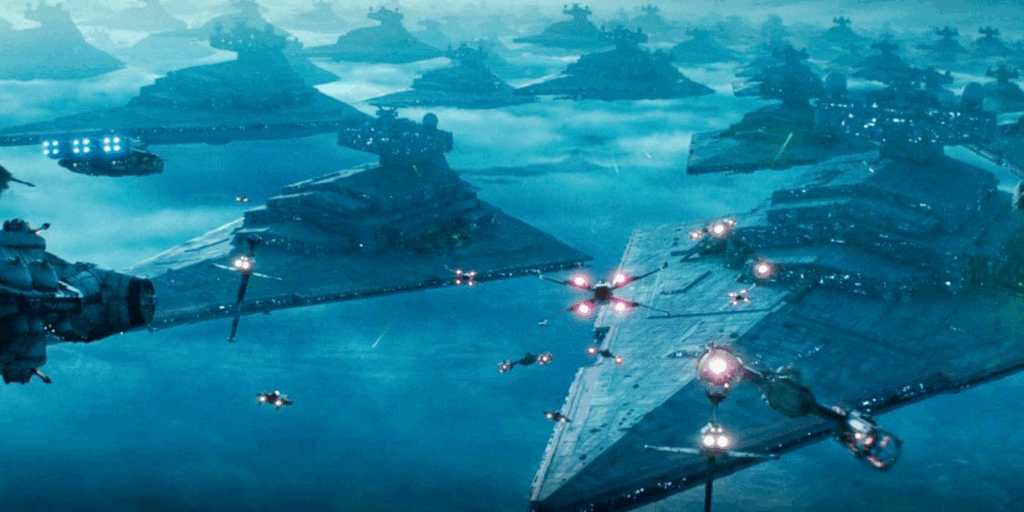
It is true: the Disney era of Star Wars often looks fantastic. Contrasting modern filming techniques compared with the prequels reveals how far both CGI and practical has come. Later projects make impressive use of The Volume, with beautiful creature designs, crisp environments, and cinematic lighting. For some viewers, this alone is enough to justify the experience.
But as someone who loves visuals, I actually find this defence insulting.
Good effects can’t save a bad story. Strong characters, meaningful moments, and emotional stakes can make you forget you’re looking at cardboard sets or limited props. Prity cannot distract viewers from weak writing by throwing more CGI at the screen.
Star Wars is not like other projects, like Avatar, where they were meant to be experiences that don’t require nuance. Star Wars was always a story-driven film with characters we should be rooting for. If we can’t get invested in these characters, it doesn’t matter how “stunning” your film looks. The same goes likewise for the rather mediocre effects for Kenobi or the Acolyte; I don’t believe people would be complaining about them nearly as much if their stories were stronger.
Cool shots mean nothing if we don’t care or understand anything going on. If anything, it angers me more because people’s talents are wasted. workers who put hundreds of hours into this work are wasted on something soulless
I can’t state this any more than I have to. Pretty pictures can’t save an empty story.
2. “It’s science fiction — it’s not supposed to be realistic.”
There’s a huge difference between being realistic and being believable.
Star Wars has never aimed for realism — no one expects lightsabers, hyperdrives, or space wizards to follow the laws of our universe.
But Star Wars does need to follow its own rules.
Take the Force. It has always been mystical and vague, but it was never meant to function like a superhero power. Yet in recent projects, it’s increasingly portrayed as a tool for convenient shortcuts instead of something that requires discipline, strain, or cost.
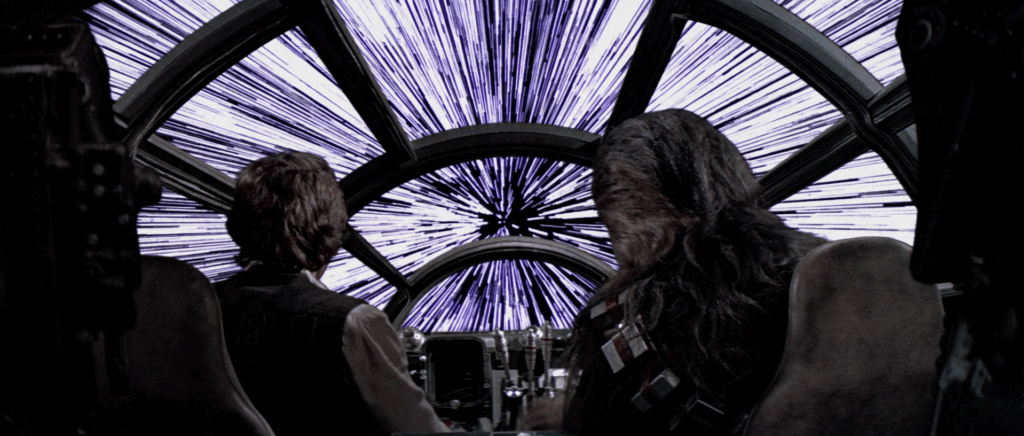
The same issue appears with characters “fast travelling” across the galaxy, arriving at critical scenes with no sense of distance or time passing. Sequences such as this break immersion because it violate the series’s established scale.
And then there are the contradictions that outright break its universe. Everyone agrees that normal beings can’t survive the vacuum of space, yet Leia recovers as though nothing happened. We’ve seen lightsaber wounds consistently fatal… except when a character’s survival is needed for the plot. Reva survives being stabbed through the gut; Qui-Gon Jinn does not. Not to mention a fire burning down a stone fortress.
Fantasy doesn’t have to imitate our world, but it does have to abide by its own rules, its own and abide by logic that’s easy to understand. As the saying goes, “the devil is in the details.”
3. “It’s explained in the expanded universe novels.”
Star Wars has always had a massive expanded universe — novels, comics, reference books, and visual dictionaries. These materials can enrich the galaxy and explore ideas the films don’t have time to cover. When used well, they expand the world, not patch its holes.
But in the Disney era, Expanded Universe material is increasingly used as a crutch to explain plot points that the films and shows fail to communicate what’s happening.
This is the Maz Kanata excuse:
“A good question… for another time.”
Except that “another time” often means a book released six months later, that’s not how storytelling works. I shouldn’t have to read a novel to understand what is happening on screen.
Supplementary material should clarify, enrich, or deepen a story — not fix it.
The worst example of this is Episode 9:
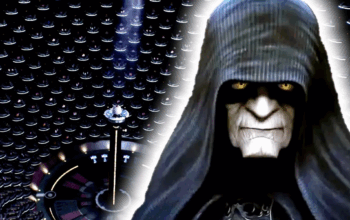
“Somehow Palpatine returned.”
Not only does this nullify all of Luke and especially Vader’s sacrifice, but there was no buildup, no foreshadowing, and little to no explanation of how the big villain of the previous two trilogies came back out of nowhere. All we get is a throwaway line by a random resistance member, saying “Dark science, cloning”, and they just move on from it.
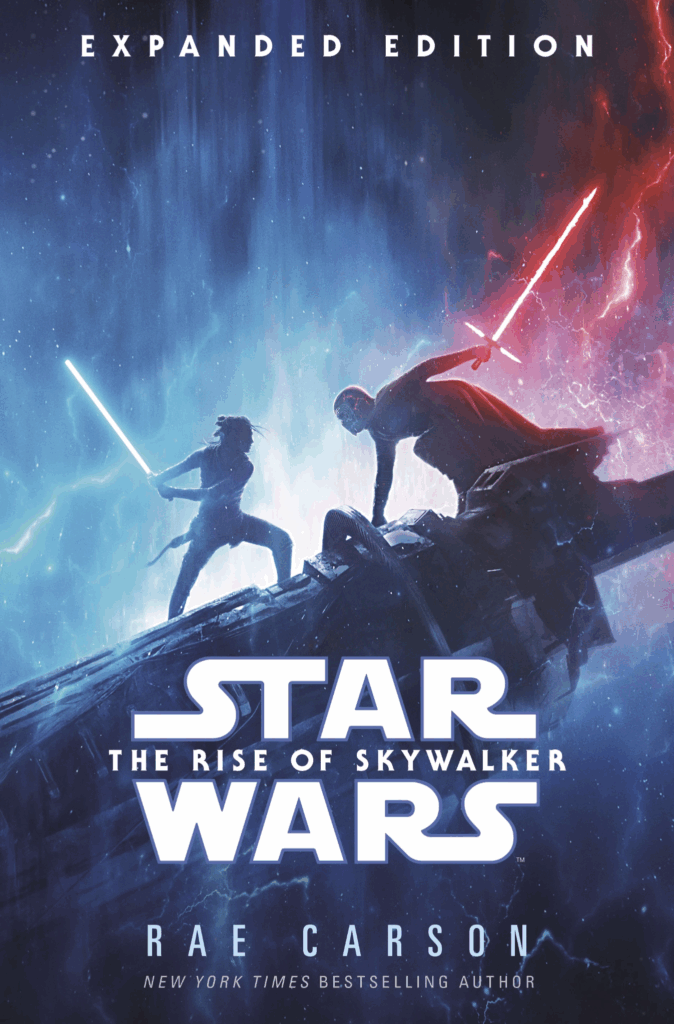
Instead, the explanation was given by the novelisation, where it’s revealed he was using the force to transport his mind as he was falling into his clone body lightyears away. Not only is this needlessly complicated to explain how he came back, but they also expect the audience to just go along with it and not ask questions.
The audience was then expected to seek out novels, guides, and interviews to fill in the gaps the film refused to address. That is not worldbuilding, but needless homework.
The fact that a large portion of the fandom reads books does not mean the films get to depend on them to make sense. If the movie doesn’t explain its own villain, stakes, or plot mechanics, that’s a failure of the movie — not the audience having “high expectations..
When creating a film of any kind, information crucial to the story must exist in the film itself, not buried in bonus material released months later. The EU content is meant to expand on the Star Wars world, not repair the damage by lazy filmmakers.
4. “You don’t get the themes”
One of the bigger problems in modern storytelling — especially in the Disney-era Star Wars — is the prioritisation of message/commentary over the story.
Instead of exploring a theme through character choices, consequences, creators often spell out the message in dialogue and assume that’s enough.
But themes don’t work on the surface level. They have to be shown, not just declared.
Take The Acolyte.
The show wants to explore institutional power and how the Jedi monopolised the Force. The Jedi were the only ones who permitted only themselves to use the force and consider any practitioners outside their order dangerous. Great themes on paper, but do we actually examine those ideas, any philosophical arguments or show the extremes of either side, nope? Instead, we get contrived plots such as an entire witch coven being axed because one scared padawan wanted to “go home” like a 5-year-old, I’m not kidding.
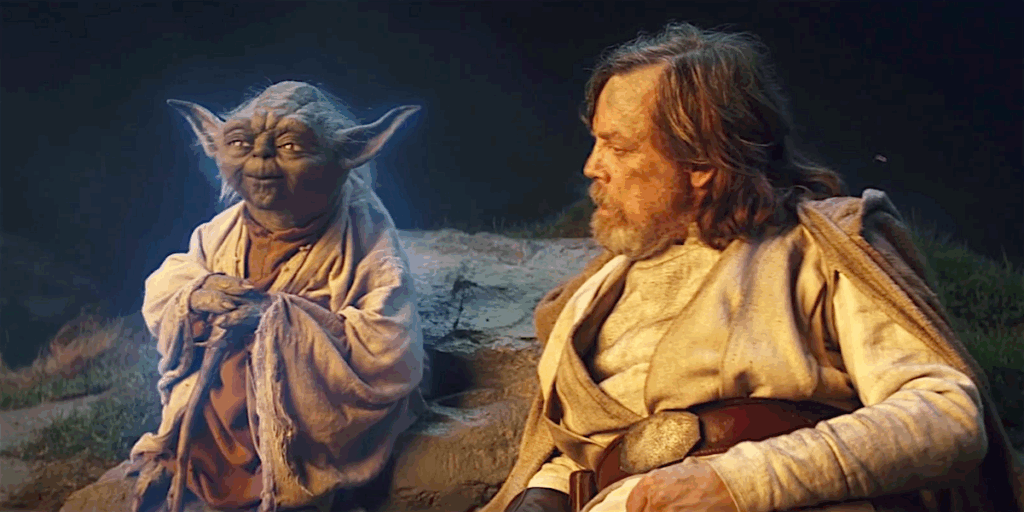
Or look at Luke Skywalker in the sequels.
Fans are open to Luke making a serious mistake — some even welcome it.
But the “theme” collapses because the execution contradicts Luke’s established character. His moment of contemplating murdering Ben Solo in his sleep doesn’t feel like a meaningful exploration of failure; it feels like the plot forcing a theme it hasn’t earned.
A more fitting approach would have been Luke trying to reach Ben the same way he reached Vader — and failing. That would reinforce the theme without violating the character.
Themes fall apart when the characters don’t reflect the message the story is trying to convey.
Creators love saying their themes are “deep” even when they’re barely communicated on screen. If a theme requires interviews, tweets, visual dictionaries, or fan essays to explain it, then the show hasn’t explored it — it has merely referenced it.
The real issue is when the narrative doesn’t do anything with the ideas it presents. When themes exist only in dialogue, rather than in character actions, they feel hollow because there is no commitment.
It’s the same reason why many environmental films come off as cringeworthy or shallow: they reduce everything to “people are greedy” while refusing to explore nuance, complexity, or reasons why people from poor communities have little in terms of choice.
Or, as one YouTuber perfectly summarised:
“Themes are the sprinkles you put on a cake — they’re not supposed to be the cake itself.”
5. “It’s for kids.”
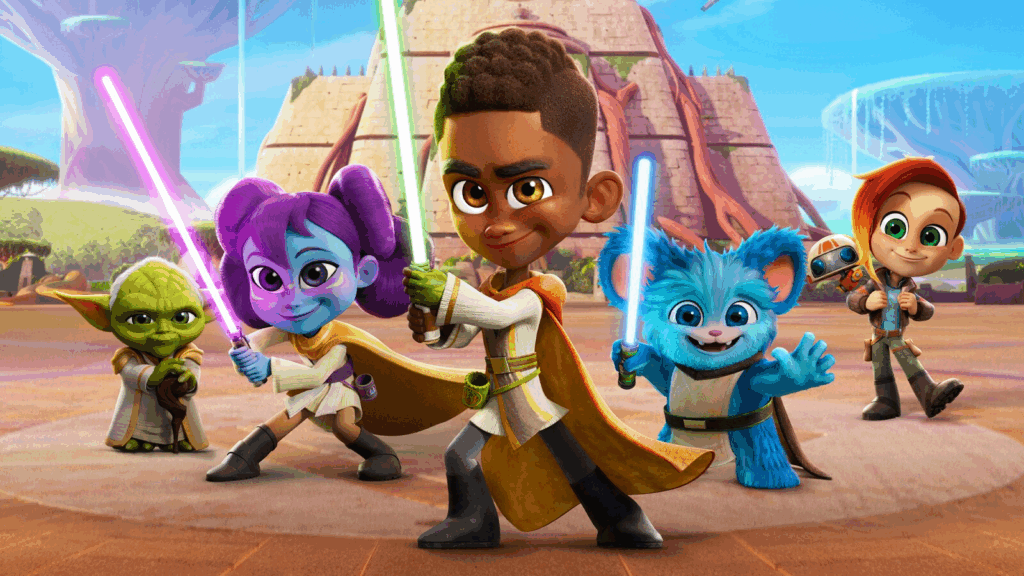
There’s no denying that most of us discovered Star Wars when we were kids. George Lucas has even said he made the films “for 12-year-olds.” But that one quote gets abused as a blanket excuse for shallow writing.
Because the truth is simple:
Star Wars has never been “just for kids.”
Adults are the ones buying the tickets, paying the subscriptions, reading the novels, and remembering the original films so fondly because they understand why those films worked. Pretending Star Wars should aim no higher than a Saturday morning cartoon is disrespectful to the people who kept the franchise alive.
Furthermore, even actual children’s shows like Avatar: The Last Airbender or Steven Universe never used their young audience as an excuse to avoid mature themes. They tackled complex themes such as war, trauma, grief, both literal and metaphorical, without dumbing them down.
Saying “it’s for kids” doesn’t justify careless writing. It doesn’t excuse plot holes, shallow characters, or scenes that contradict established lore.
By this point, the majority of the fandom following Star Wars week-to-week is composed of adults, and adult fans deserve to be treated as such. If the mentality truly were “Star Wars is for kids,” then a show like Andor wouldn’t exist.
Good writing works at every age; it’s why most adults still look back at those shows so fondly, long after they’ve wrapped.
Conclusion
Before anything else, I want to make my position clear — especially for anyone ready to say I “just hate Disney” or that I’m “thinking too hard.”
Do I hate Disney? No.
I hate what the company has become.
It’s disheartening watching once–respected media outlets hand out glowing reviews to projects that don’t deserve the praise. Many of these takes don’t feel honest anymore; they feel shaped by corporate access and studio influence.
The Acolyte, sitting comfortably at 79% on Rotten Tomatoes, is a perfect example of how disconnected the critical response has become from audience experience.
The core problem is that Disney has effectively monopolised a huge share of mainstream entertainment. And with that power, they’ve shifted from crafting stories to filling content quotas. Everything is rushed. Everything is scheduled to hit a deadline. The priority is output — not quality.
I’m not asking for awards when it comes to Star Wars.
What I’m asking for is effort.
Not just effort in visuals or production budgets, but effort in storytelling — in meaning, purpose, and character. The beauty of Star Wars is that it spans countless genres and can explore almost any type of story. When that potential is respected, you get series like Andor or even Skeleton Crew — projects that clearly had time, intention, and vision behind them.
All Disney has to do is slow down, stop greenlighting everything at once. To take the time to think stories through, let ideas breathe, and allow creators to produce something that feels considered rather than manufactured.
At the end of the day, I’m not demanding perfection, just a sign that people who worked on these films respect what came before, instead of believing they can make it better than the original.